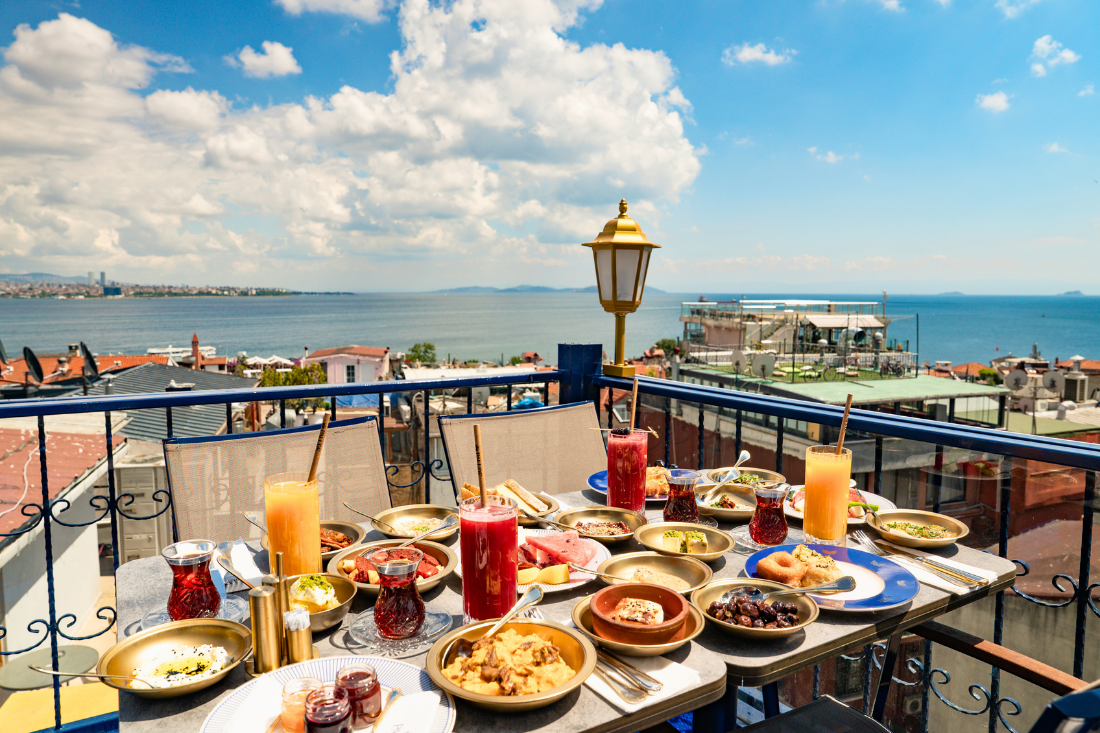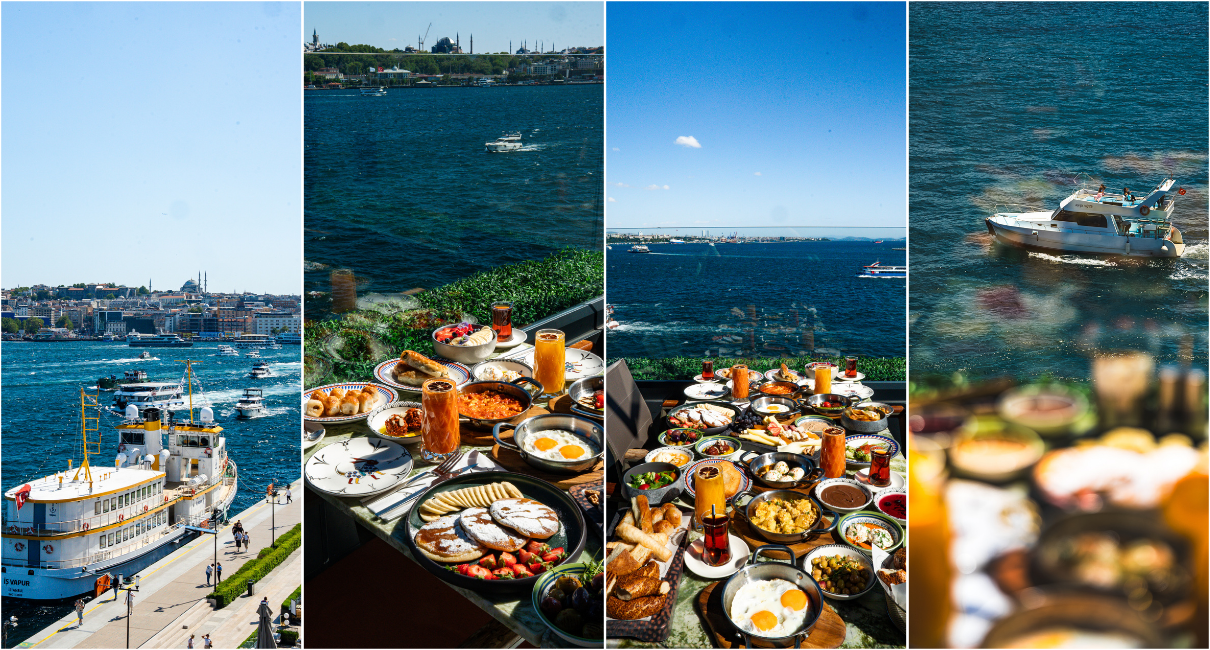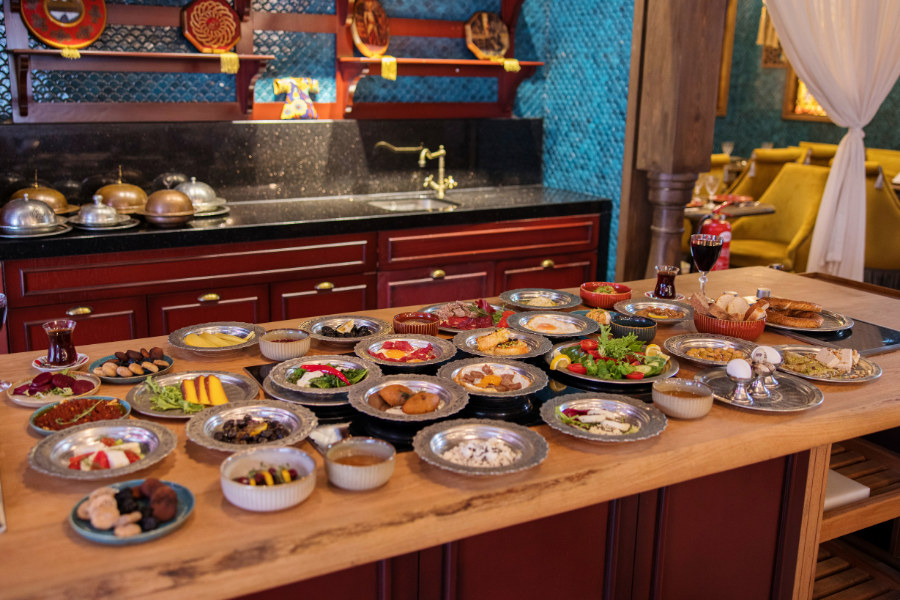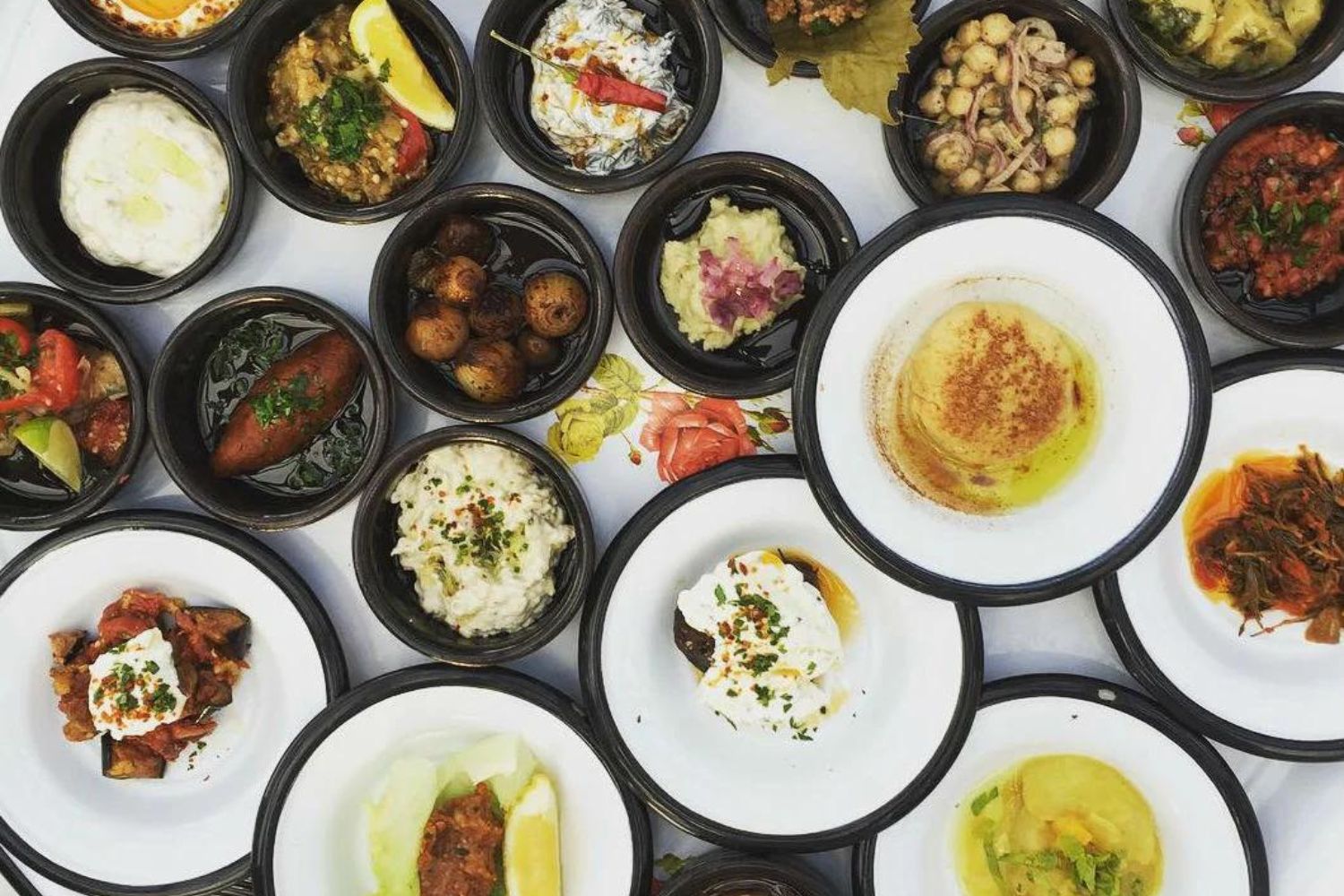
Long before the main course arrives, a Turkish dinner table is already full. Small plates of cold and hot appetizers — meze — cover the table, each one meant to be shared, tasted slowly, and paired with conversation and a glass of rakı or wine. For visitors to Istanbul, meze culture is one of the best entry points into how Turkish people actually eat: unhurried, communal, and built around variety rather than a single centerpiece dish.
Meze Isn't an Appetizer, It's the Evening
In many food cultures, appetizers are a warm-up act before the "real" meal. In Turkey, meze often is the meal — especially at meyhanes, the traditional taverns where an evening can revolve entirely around a rotating table of small plates. Waiters bring out trays of cold meze first, followed by hot ones, and the meal is paced by conversation rather than a set menu structure. It's normal for a meze-focused dinner to last several hours.
Cold Meze: The Foundation of the Table
Cold meze usually arrive first and set the tone for the meal. Classics include haydari (a thick, garlicky strained yogurt), patlıcan salatası (smoky roasted eggplant), a dish of white beans in olive oil (piyaz), stuffed grape leaves (yaprak sarma), and çoban salatası, a simple chopped salad of tomato, cucumber, and onion. Olive oil plays a starring role throughout — many cold meze are served generously drizzled, meant to be scooped up with fresh bread rather than eaten with a fork alone.
Hot Meze: Where the Kitchen Shows Off
Once the cold plates have been picked through, hot meze start arriving — fried calamari, sigara böreği (thin pastry rolls filled with cheese), köfte, and various seafood or vegetable dishes depending on the season and region. These tend to be richer and more filling, acting as a bridge between the lighter cold starters and whatever main course, if any, follows.
The Social Rules Behind the Plates
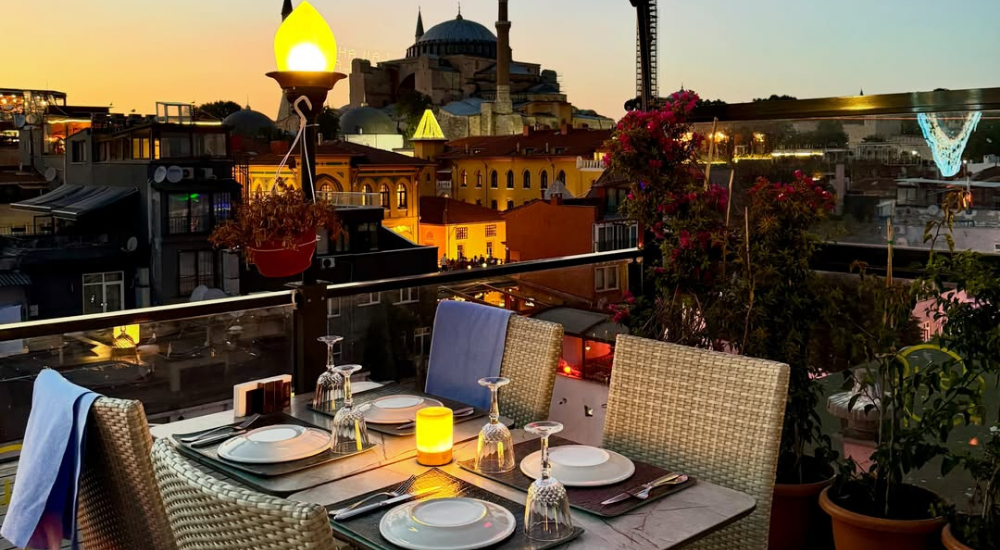
Meze is built around sharing, and there's an unspoken etiquette to it. Plates are placed in the center of the table, not in front of any one person, and diners take small portions from each dish rather than claiming one for themselves. Conversation is expected to flow as freely as the food — a long meze dinner is as much a social event as a culinary one, which is part of why so many Istanbul restaurants design their meze-focused dining rooms and terraces for lingering rather than quick turnover.
What to Expect as a Visitor
For first-timers, the sheer number of small plates can be surprising — a table for two might easily see six or seven different meze before any main course arrives. It's worth pacing yourself and resisting the urge to fill up on the first few dishes, since more will keep coming. Asking your server for recommendations is also common practice; most meze menus rotate seasonally, and staff are usually happy to walk you through what's freshest that day.
Final Thoughts
Meze culture captures something essential about how food works in Turkey: nothing is rushed, nothing is eaten alone, and the table itself becomes the center of the evening. Whether you're at a classic meyhane or a modern Istanbul restaurant putting its own spin on the tradition, sitting down to a proper meze spread is one of the most genuine ways to experience the city's food culture.