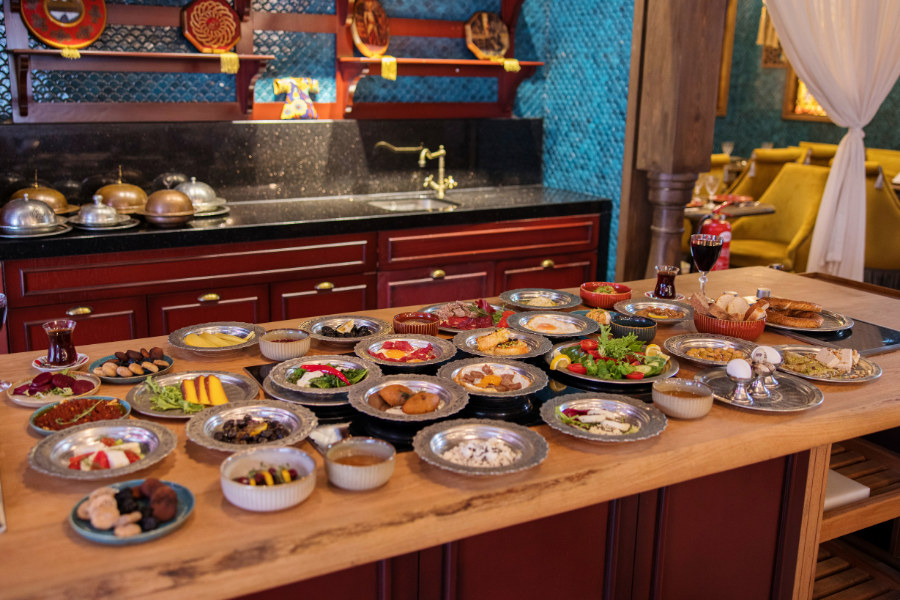
Ask any Turkish person what makes their culture special, and breakfast — kahvaltı — will come up before almost anything else. It's not a quick bowl of cereal or a coffee on the go. It's a slow, social ritual built around a table crowded with small plates, and for visitors to Istanbul, understanding it is one of the easiest ways to understand the city itself.
It's Not a Meal, It's a Table
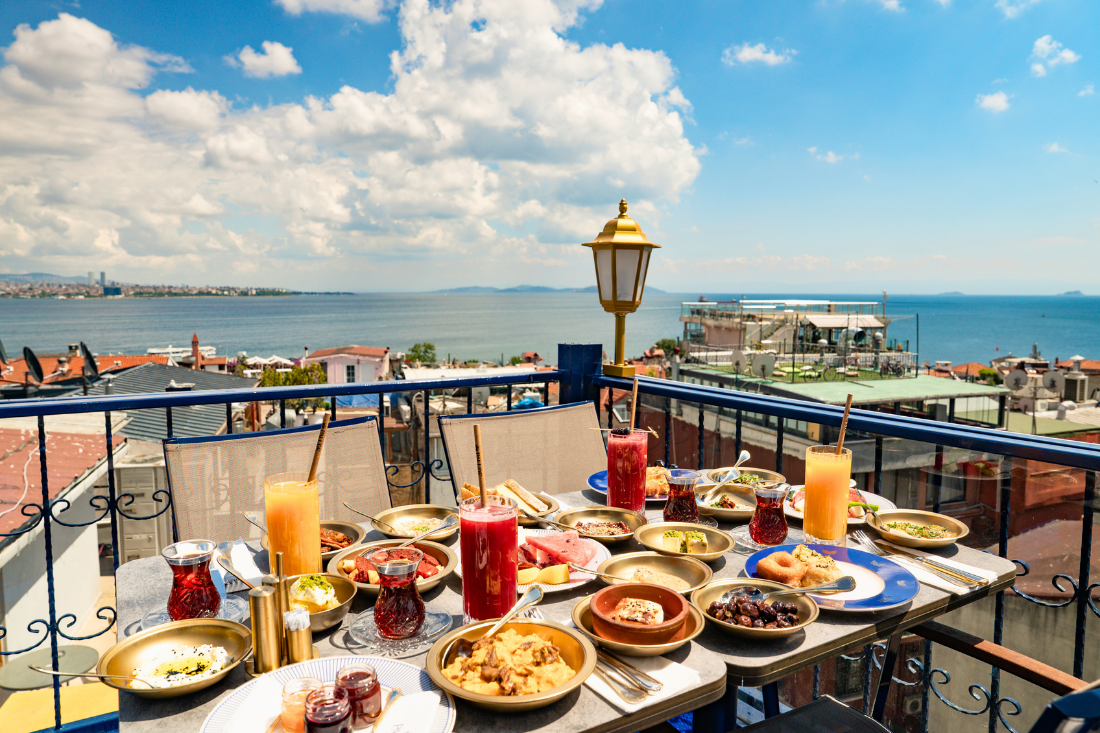
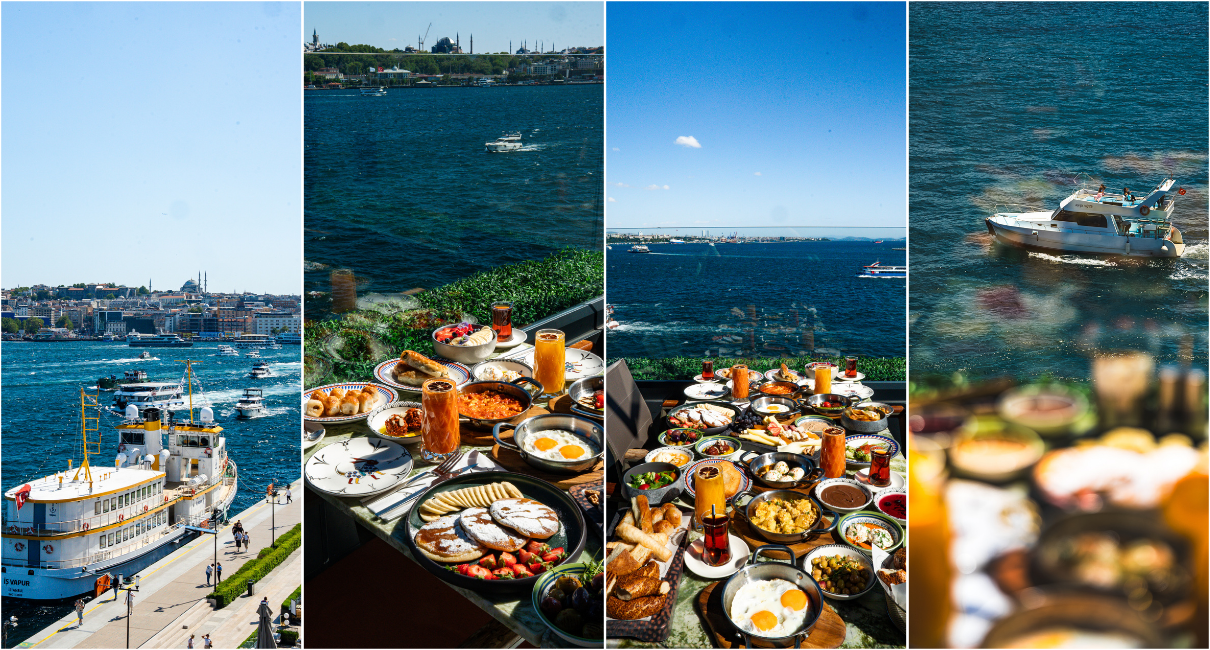
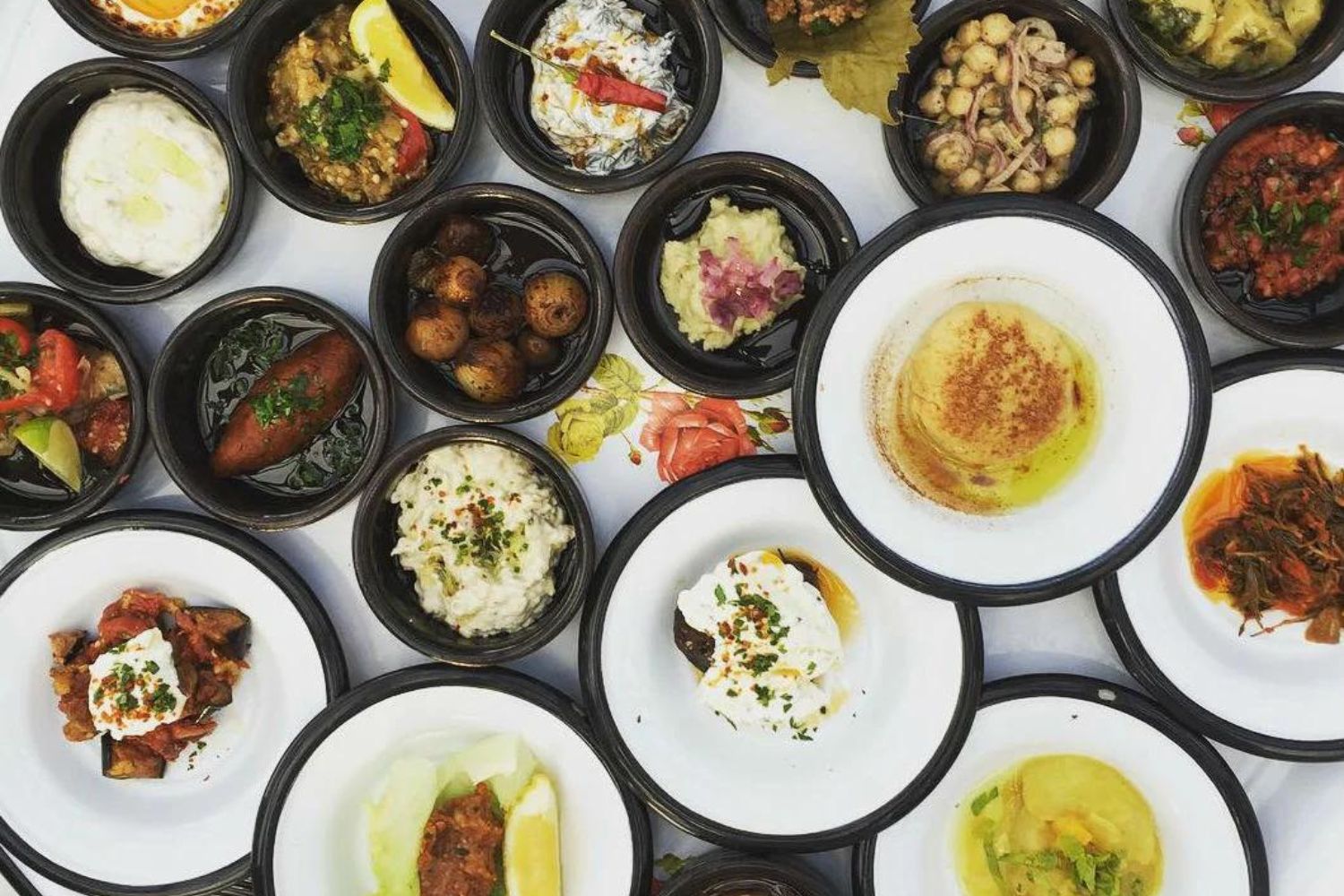
The defining feature of Turkish breakfast is the sheer number of dishes served at once. A proper serpme kahvaltı — literally a "scattered" or "spread" breakfast — covers the table with small bowls and plates: several types of cheese, olives (both green and black), tomatoes, cucumbers, honey, kaymak (clotted cream), jams, eggs prepared multiple ways, sujuk (spiced sausage), pastries like börek and simit, and fresh bread. Nothing is meant to be eaten alone — the whole point is combining small bites, the way you might build a sandwich one ingredient at a time.
Tea Comes Before Coffee
Despite Turkey's reputation for coffee culture, breakfast itself runs on tea. Çay is served in small tulip-shaped glasses throughout the meal, refilled constantly, and it's considered normal to have several glasses over the course of a long breakfast. Turkish coffee tends to come after the meal is finished, often alongside something sweet, rather than as an accompaniment to the food itself.
It's a Social Ritual, Not a Rush
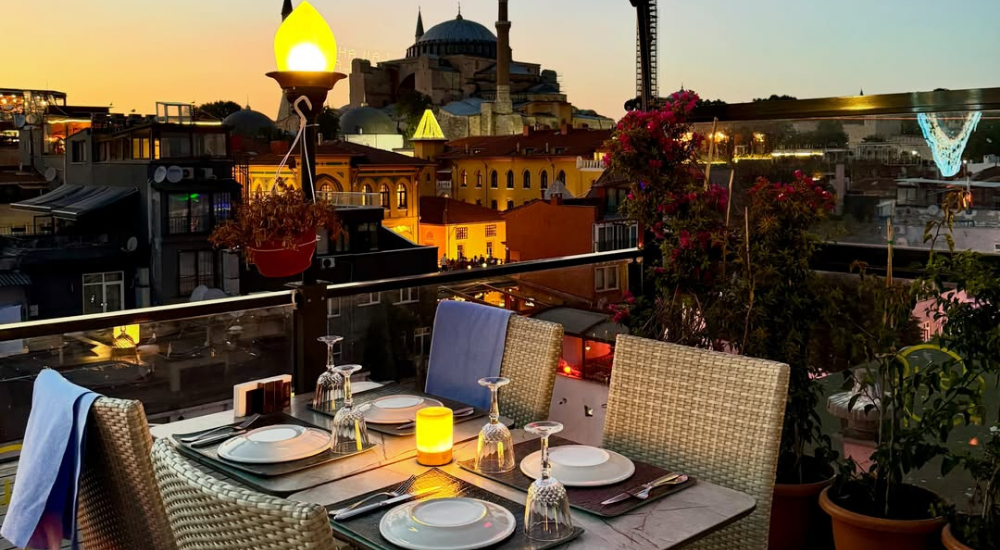
In much of the world, breakfast is the fastest meal of the day. In Turkey, it's often the slowest. Weekend breakfasts with family or friends can stretch for two or three hours, with conversation flowing as freely as the tea. This is part of why so many of Istanbul's best breakfast spots — particularly in neighborhoods like Sultanahmet, with its garden courtyards and rooftop terraces overlooking the historic skyline — are designed for lingering rather than turning tables quickly.
Regional Touches Make Every Table Different
While the core format stays the same, breakfast in Istanbul often reflects influences from across Turkey's regions. You might find menemen (a soft scramble of eggs, tomatoes, and peppers) alongside Black Sea-style cornbread, or a spread leaning heavily on Aegean olive oil and herbs. Many restaurants take pride in sourcing their cheese, honey, and olives from specific regions, turning a simple breakfast plate into a small tour of the country's culinary geography.
What to Expect as a Visitor
For first-time visitors, a few things are worth knowing. Breakfast spreads are usually priced per person and are meant for sharing across the whole table, so portions can look overwhelming at first. Bread is replenished often and considered essential — most tables go through several baskets. And while the meal is filling, it's built to be eaten slowly, in small quantities of many things, rather than one large plate.
Final Thoughts
Turkish breakfast isn't just a way to start the day — it's a window into how food, hospitality, and time are treated differently in Istanbul than in most other places. Whether you're seated in a quiet garden courtyard or on a rooftop overlooking the Bosphorus, giving yourself the time to properly sit through a serpme kahvaltı is one of the most authentic things you can do on a trip to the city.